
How to Create Professional Product Packaging Design
How to Create Professional Product Packaging Design
Designing Packaging That Attracts, Protects, and Sells
In today’s competitive marketplace, your product’s packaging is often the first thing a customer notices. A professional product packaging design doesn’t just protect your product—it communicates your brand, captures attention, and influences purchasing decisions. Whether you sell food items, electronics, cosmetics, or consumer goods, the packaging is a critical part of your marketing strategy.
At [Your Company Name], I specialize in custom product packaging design that is creative, practical, and visually appealing. My designs help businesses stand out on shelves, online stores, and promotional campaigns, while reflecting the quality and personality of their brand.
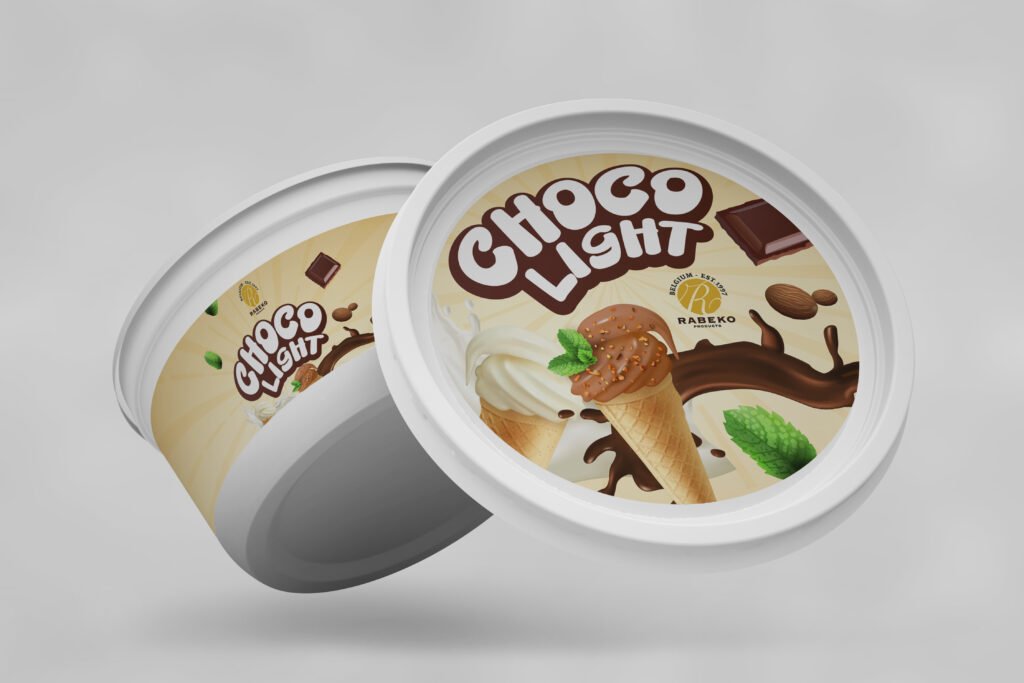
Why Product Packaging Design Is Important
Product packaging serves multiple purposes beyond aesthetics. It’s a key part of your brand identity and customer experience.
Attracts Customers
A visually striking package grabs attention in stores and online, increasing the chances of purchase.
Communicates Brand Values
Packaging reflects your brand’s personality, quality, and story. It can communicate luxury, eco-friendliness, fun, or innovation.
Protects Products
Proper packaging ensures products are safe during shipping, handling, and storage.
Enhances Marketing
Packaging works as a silent salesperson. It conveys key information, promotes features, and encourages repeat purchases.
Differentiates From Competitors
Unique packaging sets your product apart, helping consumers remember your brand.
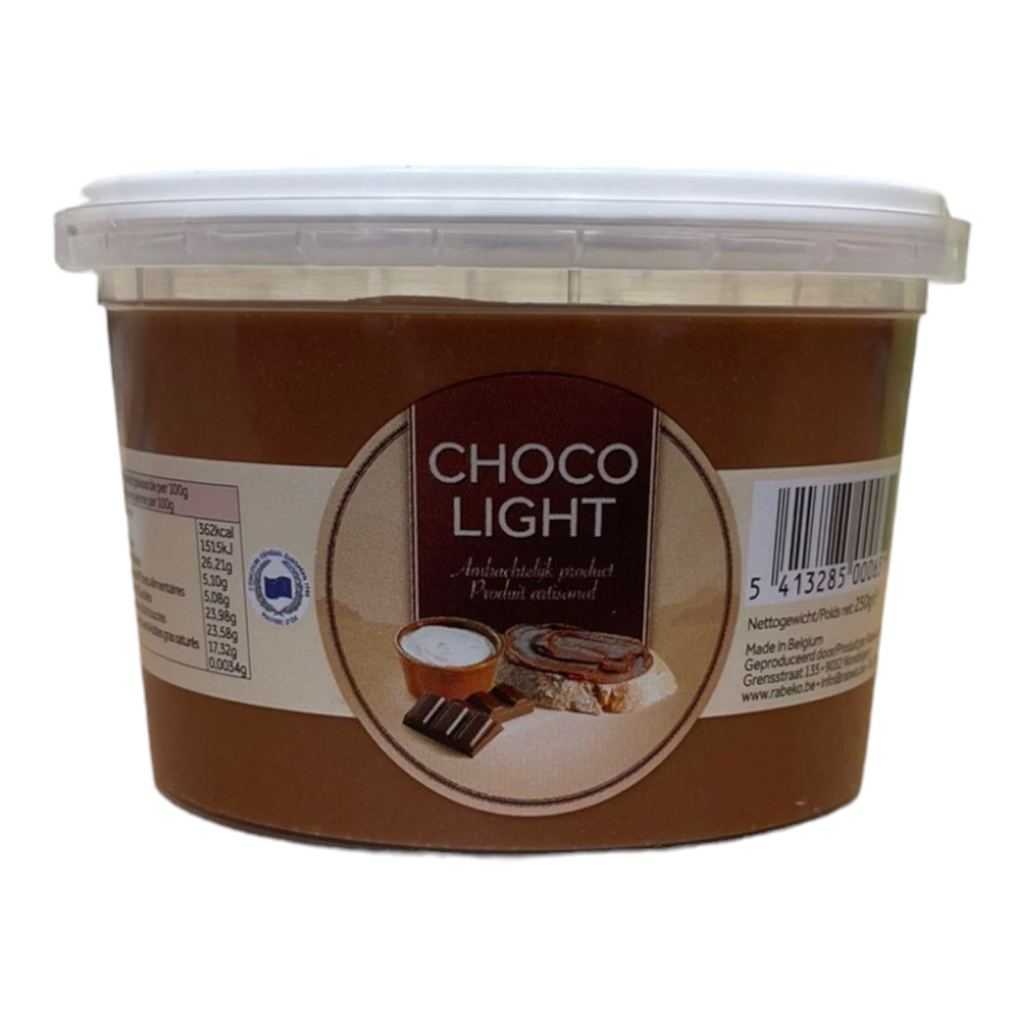
Key Elements of Effective Product Packaging Design
A successful product packaging design balances creativity, functionality, and brand consistency. Here’s what to focus on:
1. Brand Identity and Concept
Understand your brand values, target audience, and product positioning. Packaging should reflect whether your product is premium, eco-friendly, affordable, or tech-savvy.
2. Color Palette and Visual Style
Colors evoke emotions and influence buying behavior. Choose colors that align with your brand identity:
- Red – Excitement, urgency
- Blue – Trust, reliability
- Green – Nature, eco-friendly
- Black – Luxury, sophistication
- Bright/Accent Colors – Fun, creativity, and visibility
3. Typography and Messaging
Fonts should be readable and reflect your brand style. Product names, slogans, and key features must be clear and easy to scan.
4. Packaging Structure and Material
The physical design is just as important as visuals:
- Material choice (cardboard, plastic, glass, metal) impacts durability and eco-friendliness.
- Structural design ensures the product is easy to open, use, and store.
- Innovative shapes or handles can enhance functionality and attractiveness.
5. Imagery and Graphics
Use illustrations, patterns, and icons that communicate the product’s purpose. Images should complement the brand without cluttering the design.
6. Compliance and Information
Include legal and safety information, nutritional facts, instructions, barcodes, and certifications, depending on your product category.
7. Sustainability
Modern consumers appreciate eco-conscious packaging. Consider recyclable materials, minimalistic designs, and reduced waste.
Step-by-Step Process to Create Product Packaging Design
Step 1: Understand the Product and Brand
Identify your product category, target audience, and key selling points. Determine whether the packaging should be luxurious, playful, professional, or eco-friendly.
Step 2: Research Market and Competitors
Study competitors’ packaging to identify trends, gaps, and opportunities for differentiation. A unique design can help your product stand out.
Step 3: Concept Development
Sketch ideas, explore layouts, colors, and materials. Focus on creating a concept that communicates your brand and attracts attention.
Step 4: Typography and Graphics Design
Select fonts, icons, and images that complement the packaging style. Ensure readability, alignment, and balance.
Step 5: Mockups and Prototypes
Create digital or physical mockups to visualize the final product. This helps evaluate size, usability, and shelf appeal before production.
Step 6: Material and Printing Selection
Choose high-quality materials and printing techniques. Consider finishes like matte, gloss, embossing, or foil stamping for a premium feel.
Step 7: Testing and Feedback
Test the packaging with focus groups or internal reviews. Evaluate clarity, attractiveness, durability, and overall impact. Make adjustments as needed.
Step 8: Final Design and Delivery
Prepare print-ready files with clear specifications for manufacturers. Ensure colors, dimensions, and materials are accurate for production.
Common Mistakes to Avoid
- Overcomplicated or cluttered design
- Ignoring brand consistency
- Using poor-quality images or fonts
- Neglecting functional usability
- Failing to consider production and cost constraints
- Ignoring sustainability
Avoiding these mistakes ensures packaging that is professional, practical, and visually appealing.
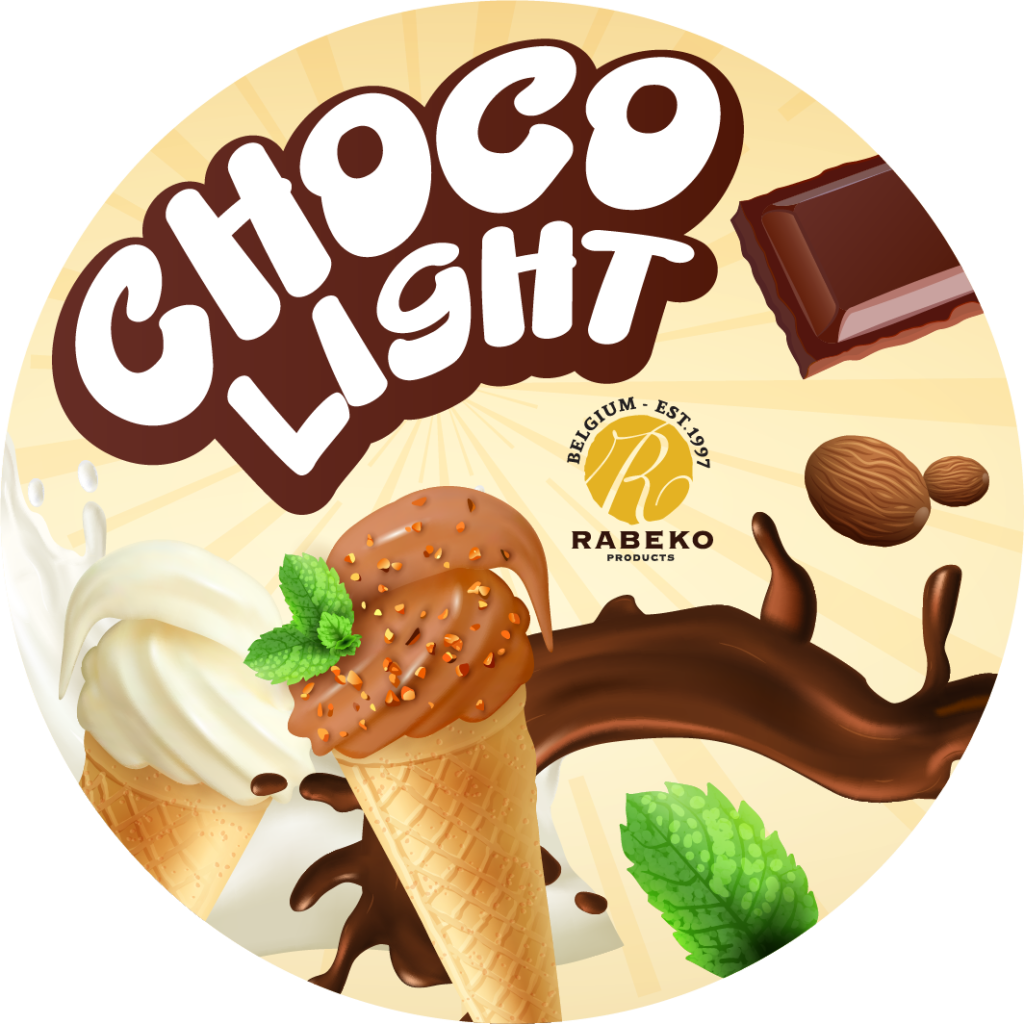
Benefits of Professional Product Packaging Design
Investing in professional packaging design brings long-term benefits:
- Stronger Brand Recognition – Consumers identify your product instantly
- Increased Sales – Attractive packaging encourages purchase decisions
- Professional Image – Builds trust and credibility
- Marketing Advantage – Packaging doubles as a promotional tool
- Customer Satisfaction – Easy-to-use packaging enhances the user experience
Why Choose [Your Company Name]
When you choose [Your Company Name], you get:
✔ Custom product packaging designs tailored to your brand
✔ Creative, professional, and market-ready concepts
✔ High-quality mockups and print-ready files
✔ Multiple revisions for perfection
✔ Fast delivery and clear communication
✔ Full ownership of final designs
I aim to design packaging that not only protects your product but also elevates your brand, attracts customers, and drives sales.
Tips for an Outstanding Product Packaging
- Keep the design simple but memorable
- Align colors, fonts, and graphics with your brand identity
- Ensure readability and clear messaging
- Test for functionality and durability
- Consider eco-friendly materials
- Make the design stand out on shelves and online
Start Elevating Your Product Packaging Today
A professional product packaging design is more than just a box—it’s a marketing tool, a brand statement, and a sales driver. Whether launching a new product or revamping an existing one, a creative and functional packaging design will help you attract customers and build a strong brand presence.
Contact me today to create a unique and professional product packaging design that represents your brand and boosts sales.

Leave a Comment